
What Are the Best Hypoallergenic Dog Treats?
Did you recently find out your dog has food allergies? While the meals and treats available to your dog might feel limited, the truth is there are plenty of healthy and delicious options that won’t lead to itchiness or digestive upset. Let’s review the most common canine food allergies and explore the best hypoallergenic dog treats for your Cadet!
Key Takeaways
- The most common dog food allergies include beef, chicken, dairy, eggs, wheat, soy, and corn.
- Novel proteins like duck and salmon often make great hypoallergenic treats for dogs who are allergic to more common proteins.
- Gradually transition your dog to new ingredients over the course of 5-7 days; contact your veterinarian if they experience upset stomach or skin irritation. Dog Food Allergies Vs. Sensitivities
Dog Food Allergies Vs. Sensitivities
First of all, it’s important to note the difference between intolerances and allergies. While food intolerance in dogs generally affects the digestive system and leads to symptoms like diarrhea and gas, true food allergies affect the immune system. Excessive itching is the most common sign of food allergies, but other symptoms can include recurring ear infections, dandruff, watery eyes, or even hair loss.If you’re not certain your dog has food allergies, check with your veterinarian to rule out other causes. Only 1-2% of dogs develop food allergies in their lifetime, according to Vetster, so their symptoms may come from more common problems like seasonal allergies or flea allergy dermatitis.
Common Dog Food Allergies
Dogs can be allergic to a variety of ingredients across food groups. While certain food allergies are more prominent among canines and humans, such as milk, dogs are especially prone to protein allergies. These are the most common food allergies in dogs:
- Beef
- Chicken
- Dairy
- Eggs
- Wheat
- Soy
- Corn
Best Types of Hypoallergenic Dog Treats
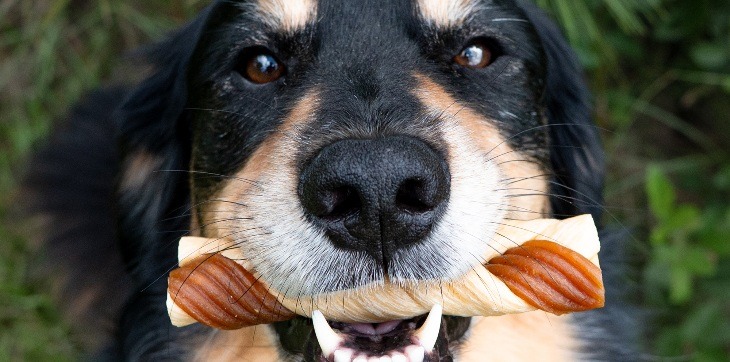
The right hypoallergenic treats for your dog depend on their food allergies, but in general it’s best to look for treats with single or limited ingredients. While no treat is hypoallergenic for every dog, these options are less likely to cause an allergic reaction:
Duck
Duck is generally considered a less common trigger for allergies in dogs and is often a “novel protein” for them: a protein their immune system has never been exposed to and is less likely to see as a threat. Similar in flavor to beef or lamb, duck will satisfy dogs who prefer something rich and savory in their treat rotation. Plus, duck is naturally low in fat and high in protein! Limited-ingredient options like dried duck breast treats are an excellent choice for many dogs.
Salmon
Dogs can eat salmon that’s cooked, boneless, and plain. A delicious alternative to more common proteins, salmon is a good source of vitamins and minerals. It’s also high in Omega-3 fatty acids, which can help reduce inflammation and improve skin and coat health. Salmon is higher in fat than many other proteins, however, so only give your dog small amounts. Freeze-dried salmon and salmon jerky are among the most popular varieties.
Pork
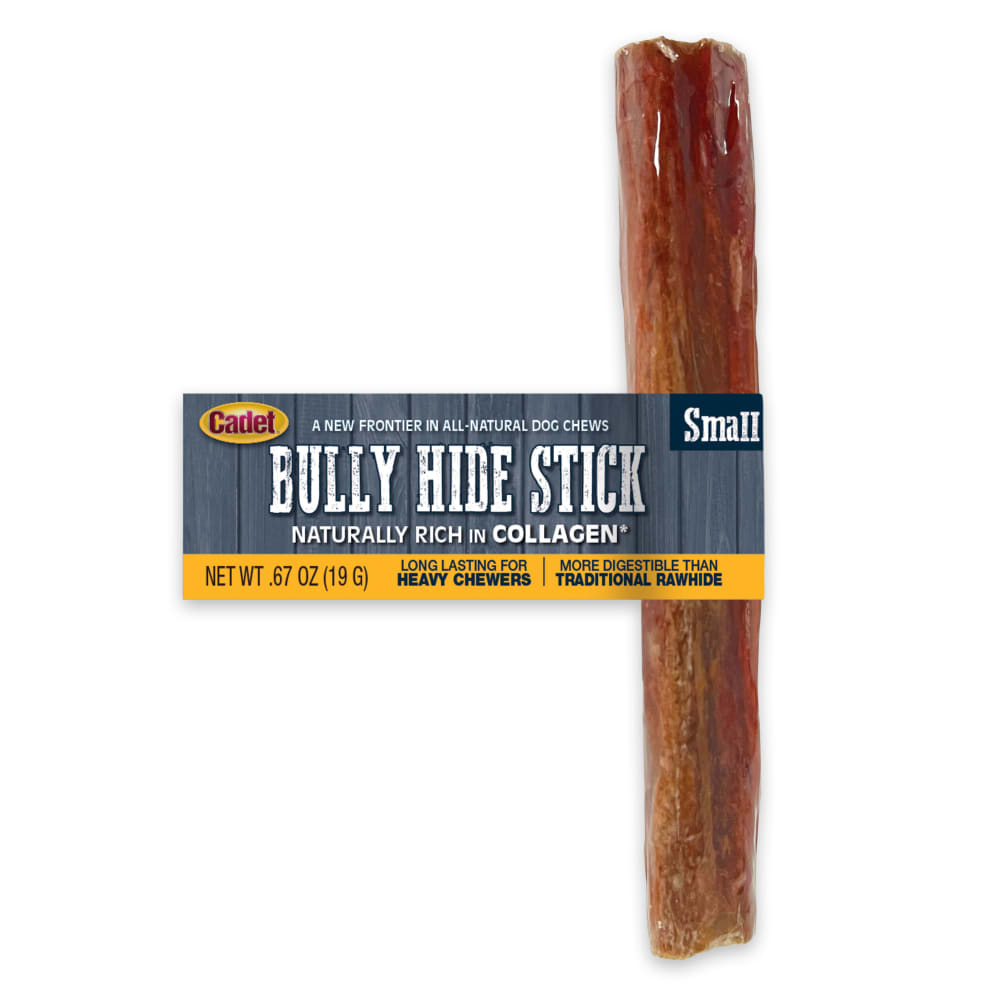
While some dogs are allergic to pork, it’s considerably less common than beef or chicken allergies. Plain, cooked pork is rich in essential nutrients like potassium and zinc and makes a tasty, high-value treat for dogs who enjoy that succulent, smoky flavor. For a longer-lasting chewing experience, give your Cadet a pork hide stick. Similar to rawhide, this single-ingredient chew will keep your dog occupied and help clean their teeth as they chew!
Sweet Potato
Not only are sweet potatoes good for dogs, they’re also low in fat and rich in antioxidants. Some varieties of sweet potato steak fries contain just one ingredient, making them free of common food allergens. They also make great training treats, doubling as a wholesome reward for teaching your Cadet a new trick.
Pumpkin
This autumn staple that’s healthy for humans and dogs makes a delicious snack any time of year, and it’s a fun change of pace from meaty treats! Pumpkin’s high fiber content is good for your dog’s digestive system, while nutrients like potassium and iron add to the wholesome benefits. Only give your dog cooked pumpkin and avoid seasoned varieties with additives like xylitol, a sweetener that’s toxic to dogs.
Rawhide-Free Chews
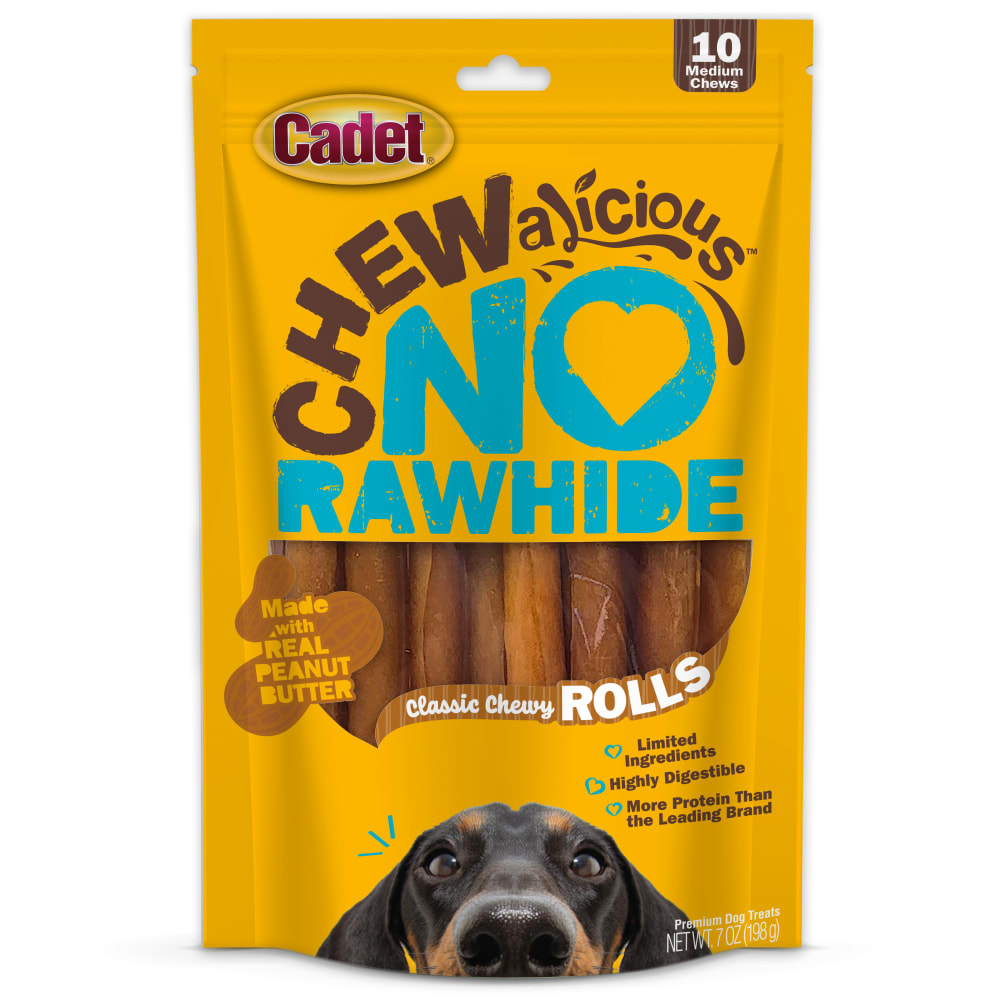
If your dog has beef allergies but likes the bold flavor of rawhide, many long-lasting rawhide alternatives offer the same chewing satisfaction. They come in a variety of fun shapes, intriguing textures, and delicious flavors dogs love for a one-of-a-kind experience. If your dog has other food allergies, be sure to check the ingredient label before offering a treat.
.jpg?h=&hash=5800037F7B4BBCDE95FBE7C2A16624F7)
Tips for Making Hypoallergenic Dog Treats at Home
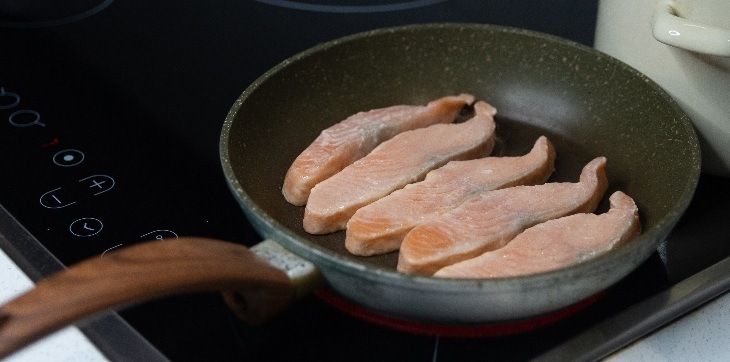
Wondering how to make your own hypoallergenic dog treats? Follow this advice for those times you want to surprise your Cadet with a homemade indulgence!
Use hypoallergenic flour: If your dog is allergic to wheat, choose an alternative source like coconut flour or chickpea flour. Oat flour is an especially nutritious choice, offering B vitamins and antioxidants.
Keep your ingredient list short: Controlling what goes into your dog’s treats is a simple way to avoid allergens. Limit recipes to a handful of ingredients, and steer clear of fillers like soy, corn, or dairy.
Prepare protein safely: When preparing protein, ensure it’s thoroughly cooked and free of bones before serving your dog. Stay away from pre-seasoned varieties (like cold cuts), as they may contain harmful ingredients.
Avoid toxic ingredients: Onions, garlic, raisins, macadamia nuts, and chocolate are all toxic foods for dogs. Make sure all of your ingredients are safe for your Cadet to consume before preparing a recipe.
🐕 RELATED: Can Dogs Have Oats?
Introducing Your Dog to Hypoallergenic Treats
Just like transitioning your dog to a new food, it’s crucial to slowly work hypoallergenic treats into their diet. Gradually switch them over to the new ingredients over 5-7 days. If you notice symptoms like upset stomach or skin irritation during this period, stop giving your dog the new treats and ask your vet for advice.During the transition period, avoid giving your dog any treats they’ve previously been eating. Make sure everyone in your home is on the same page—mixing old and new treats could lead to gastrointestinal issues.
Healthy Treats, Healthy Life!
Small changes in your Cadet’s diet can have a big impact on their overall wellness. By identifying hypoallergenic treats for dogs and keeping a close eye on ingredient labels, you can help them avoid uncomfortable symptoms while offering a wholesome reward. Plus, your dog will appreciate the new flavors during treat time!Certain fruits can make a wonderful quick treat for dogs with or without allergies. Discover what fruits are good for dogs.
.jpg?h=362&iar=0&w=730&hash=1040316E9EC17FAE8D70CC25189172FB)